
Solid hydrogen donors represent a breakthrough in molecular hydrogen delivery. By releasing H₂ in controlled or sustained amounts from solid carriers, they overcome the limitations of gas inhalation and hydrogen-rich water — offering portability, targeting, and higher hydrogen yields.
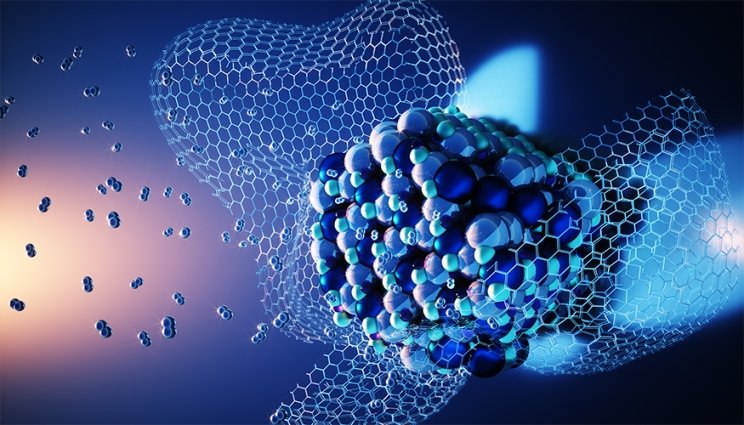
Since the wide-ranging biological activities of hydrogen were discovered, hydrogen biomedicine has been in full swing. However, common hydrogen ingestion methods — inhaling hydrogen gas and drinking hydrogen-rich water — have limitations such as insufficient convenience and lack of targeting. Solid hydrogen donors have emerged as a new hotspot in hydrogen biomedical research.
Metal-Based Solid Hydrogen Donors
Magnesium-based hydrogen donors are the most widely studied. When magnesium reacts with water, it produces hydrogen gas: Mg + 2H₂O → Mg(OH)₂ + H₂↑. Magnesium has a theoretical hydrogen production capacity of 1089 mL/g, making it the most efficient metal-based donor.
Palladium-based donors use palladium hydride (PdHx) as a hydrogen storage material, capable of releasing hydrogen at body temperature. Iron-based donors leverage the reaction of iron powder with acidic solutions, commonly used in disposable hydrogen generators for clinical applications.
Silicon-Based Solid Hydrogen Donors
Silicon-based materials produce hydrogen through reaction with water or alkaline solutions. Nano-silicon particles offer high surface area and enhanced reactivity. These donors are particularly promising for health food applications due to their biocompatibility and sustained hydrogen release profiles.
Food-Based Solid Hydrogen Donors
Coral calcium and oyster calcium-based hydrogen donors represent an emerging category. These food-grade materials can generate hydrogen in the gastrointestinal tract, providing a safe and convenient delivery method for daily health supplementation. Research shows they can maintain hydrogen release for several hours after ingestion.
Clinical Applications
- Neuroprotection — Magnesium-based donors show potential in reducing oxidative stress in neurodegenerative conditions.
- Gastrointestinal Health — Food-based donors provide localized hydrogen delivery for gut inflammation.
- Sports Recovery — Portable hydrogen generators using iron-based donors aid post-exercise recovery.
- Chronic imbalances Management — Sustained hydrogen release supports long-term antioxidant therapy.
Future Outlook
The development of solid hydrogen donors is transforming molecular hydrogen from a clinical tool into a daily wellness product. With ongoing research into controlled-release mechanisms, biocompatible carriers, and targeted delivery systems, solid hydrogen technology is poised to become a cornerstone of preventive health care.
FAQ
What is a solid hydrogen donor?
A solid hydrogen donor is a material that generates molecular hydrogen (H₂) through chemical reaction, typically with water. It offers controlled, sustained release compared to gas inhalation or hydrogen-rich water.
Which type is most efficient?
Magnesium-based donors are the most efficient, with a theoretical hydrogen production capacity of 1089 mL/g — the highest among all solid hydrogen donor materials.
Are food-based hydrogen donors safe?
Yes. Coral calcium and oyster calcium-based donors use food-grade materials and have demonstrated safety in preliminary studies. They release hydrogen in the GI tract with no known adverse effects.
Ad Space · 广告位
Google AdSense — Replace with your ad code
From Clinical Research to Daily Access
As global clinical trials continuously explore molecular hydrogen's profound therapeutic potential in addressing cellular oxidation and disease therapies, the challenge has always been consistent delivery. MUQI Inside materials are engineered directly around this scientific benchmark. Our solid-state hydrogen ceramics and powders precisely supply the high-concentration 1000-1500ppb hydrogen environment that clinical studies rely on, sustaining that therapeutic-grade release for an unprecedented 18-24 hours. We don't just supply materials; we bridge the gap between laboratory medical breakthroughs and accessible consumer wellness.