
Molecular-hydrogen research is an evolving area of preclinical and early clinical investigation exploring properties of molecular hydrogen (H₂), including reported antioxidant and anti-inflammatory activity in some models. This article summarizes publicly available research — not clinical treatment guidance.
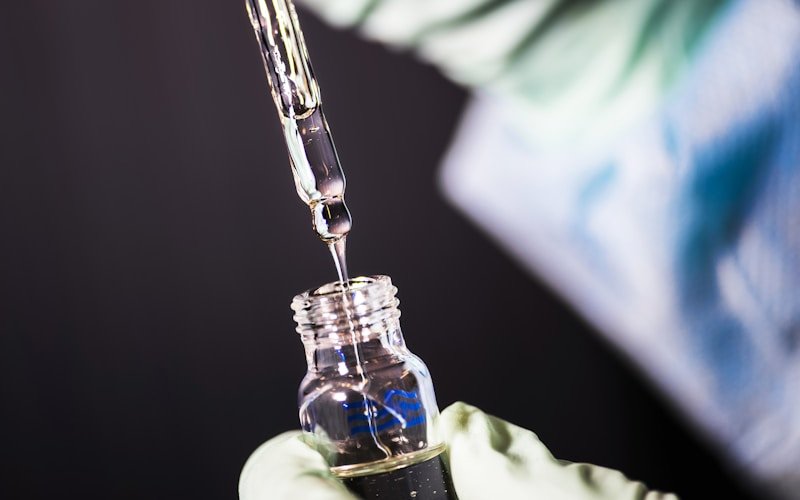
Molecular-hydrogen research spans basic science and early-phase clinical work. A commonly cited starting point is a 2007 Nature Medicine paper on selective antioxidant effects in an animal model, after which publication volume increased. The field remains primarily preclinical, with clinical evidence limited in scale, replication, and independent confirmation.
Core Mechanisms
1. Antioxidant-Related Mechanisms
Some preclinical studies have reported that molecular hydrogen may interact with certain reactive oxygen species, such as hydroxyl radicals, while leaving other physiological ROS largely unaffected. Studies also describe possible involvement of the Nrf2 pathway, though reproducibility and clinical relevance remain under investigation.
2. Inflammation-Related Mechanisms
In some in vitro and animal models, molecular hydrogen has been associated with reduced NF-κB activation and changes in cytokine levels including IL-6 and TNF-α. Reported effect sizes vary across models, and comparable independent clinical confirmation remains limited.
3. Metabolic-Related Mechanisms
Some preclinical work has described effects on FGF21 secretion and insulin-sensitivity markers. A small number of human studies have examined associations with metabolic parameters, but sample sizes, study designs, and generalizability remain constrained.
4. Epigenetic and Cytoprotection Hypotheses
Several preclinical reports have suggested that molecular hydrogen may influence Bcl-2 expression or SIRT1/FOXO-related pathways. These observations are preliminary and require independent replication before clinical relevance can be assessed.
Research Areas Under Investigation
- Respiratory and inflammatory conditions — Some studies have examined hydrogen-oxygen mixed-gas delivery in acute or inflammatory respiratory settings; sample sizes are typically small and independent replication is limited.
- Neurodegenerative imbalances models — Animal and small human studies have explored cognitive or motor-function endpoints; reported findings vary and are not established as generalizable outcomes.
- Cardiovascular models — Preclinical work has examined ischemia-reperfusion-related endpoints; clinical translation remains preliminary.
- Metabolic markers — Small studies have looked at insulin-sensitivity or lipid-related endpoints; results are exploratory.
- Oncology-adjunctive research — Some work examines quality-of-life or side-effect endpoints; this does not constitute anti-cancer efficacy evidence.
Market and Research Trajectory
Public interest in hydrogen-related products and research has increased, particularly in wellness and preventive-health categories. Some commercial claims reference research findings broadly, but product positioning should distinguish between published research observations, registered studies, regulatory authorizations, and routine wellness applications.
FAQ
When did modern molecular-hydrogen research begin?
A commonly cited starting point is a 2007 Nature Medicine paper describing selective antioxidant effects in an animal model. Since then, publication volume has increased, though much of the evidence base remains preclinical or exploratory.
Is molecular hydrogen regulated as a therapy?
Regulatory status varies by jurisdiction and product type. In some markets, hydrogen inhalation equipment may be authorized for limited indications as a medical device; in others, hydrogen-related products are marketed only for general wellness, not as treatments. Regulatory status should be verified per country and indication.
For which diseases areas is molecular hydrogen being studied?
Published research covers areas such as neurodegeneration, metabolic markers, inflammatory conditions, cardiovascular models, and oncology-adjacent endpoints. These are study topics, not established treatment categories, and the strength of evidence differs across areas.
Related topics: Hydrogen medicine research · Clinical trial registry · Research transparency
Disclaimer: This article reviews publicly available research. It does not constitute medical advice, treatment recommendations, or product endorsements.
Interested in Hydrogen Medicine?
Research collaboration · Clinical partnerships · Technology licensing
Contact Us →Ad Space · 广告位
Google AdSense — Replace with your ad code
From Clinical Research to Daily Access
As global clinical trials continuously explore molecular hydrogen's profound therapeutic potential in addressing cellular oxidation and disease therapies, the challenge has always been consistent delivery. MUQI Inside materials are engineered directly around this scientific benchmark. Our solid-state hydrogen ceramics and powders precisely supply the high-concentration 1000-1500ppb hydrogen environment that clinical studies rely on, sustaining that therapeutic-grade release for an unprecedented 18-24 hours. We don't just supply materials; we bridge the gap between laboratory medical breakthroughs and accessible consumer wellness.