
Molecular hydrogen (H₂) is a selective antioxidant studied for its anti-inflammatory properties. Research in oncology has explored hydrogen's potential role as an adjunct to conventional therapies, though most evidence comes from preclinical models and early-phase clinical studies. This article reviews the current state of published research.
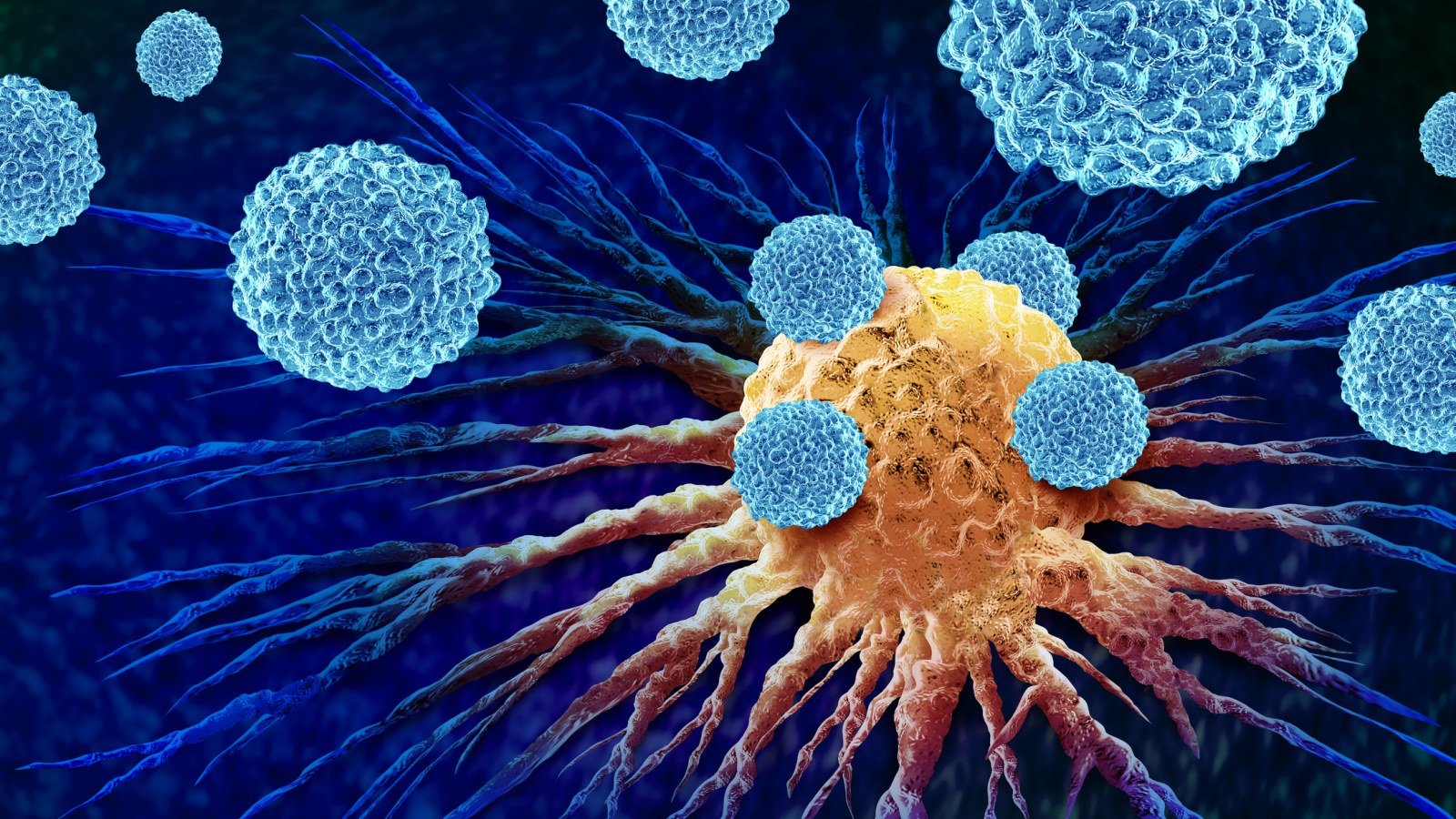
The high incidence and mortality of tumors continue to present a significant global health challenge. While conventional therapies remain the standard of care, researchers have explored whether molecular hydrogen might serve as an adjunct — potentially helping to manage treatment-related side effects. The evidence, however, remains predominantly preclinical.
Mechanisms Under Investigation
Preclinical studies have suggested several pathways through which hydrogen may interact with tumor biology:
- Selective Antioxidant — H₂ has been reported to neutralize cytotoxic reactive oxygen species (ROS) such as hydroxyl radicals (·OH) and peroxynitrite (ONOO⁻) in preclinical models, while potentially preserving beneficial signaling ROS.
- Anti-Inflammatory — In vitro and animal studies suggest inhibition of the NF-κB pathway, reducing inflammatory cytokines including IL-6, TNF-α, and IL-1β.
- Anti-Angiogenic — Some preclinical models report suppression of VEGF expression, which may limit blood supply to tumor tissue.
- Pro-Apoptotic — Cell studies have reported activation of caspase pathways and upregulation of pro-apoptotic proteins in certain cancer cell lines.
- Immune Modulation — Animal models suggest potential enhancement of NK cell activity and T-cell-mediated immune responses, though human data remain limited.
Research on Synergistic Effects
Some preclinical studies have explored whether hydrogen might complement conventional anti-tumor therapies. In cell and animal models, hydrogen has been reported to protect normal cells from drug-induced oxidative damage, though translating these findings to clinical outcomes requires further investigation. Certain dosage-dependent effects have also been observed in high-concentration hydrogen exposure studies, underscoring the need for controlled delivery methods.
Combination Therapy Research
Several preclinical studies have investigated hydrogen-based combination approaches, though most findings have not yet been confirmed in large-scale clinical trials:
- Hydrogen + Chemotherapy — Some studies suggest hydrogen may help reduce certain chemotherapy-related side effects such as nausea and neuropathy in animal models, while maintaining anti-tumor efficacy in vitro.
- Hydrogen + Immunotherapy — Preliminary data indicate possible modulation of the tumor microenvironment that could affect PD-1/PD-L1 inhibitor response, though human evidence is limited.
- Hydrogen + Radiation — Preclinical models report selective ROS scavenging that may protect normal tissue from radiation-induced damage; clinical relevance remains under study.
- Hydrogen + Targeted Therapy — Synergistic effects have been reported with EGFR inhibitors and CDK4/6 inhibitors in preclinical models, but not yet validated in controlled clinical settings.
Clinical Research Progress
A number of clinical trials have been registered to evaluate hydrogen therapy in cancer patients. Early-phase results suggest potential improvements in quality-of-life scores and reduced inflammatory markers, though sample sizes remain small and most studies lack robust controls. The relatively low incidence of reported adverse events has encouraged further investigation, but larger randomized trials are needed to establish efficacy and safety profiles.
Hydrogen Administration Methods
Current delivery methods include hydrogen-rich water, hydrogen gas inhalation, hydrogen-rich saline injection, and solid-state hydrogen products (tablets, patches, dressings). Solid-state hydrogen donors are gaining attention for their portability, sustained release, and targeted delivery capabilities.
Frequently Asked Questions
Can hydrogen revitalizes cancer?
No. There is no credible evidence that molecular hydrogen can revitalizes cancer. Hydrogen is not a substitute for established oncology treatments. Current research explores whether hydrogen might serve as a supportive adjunct, but this has not been proven in rigorous clinical trials.
Is hydrogen therapy safe?
Hydrogen is naturally produced by gut bacteria and has been generally well tolerated in the clinical studies conducted to date. However, the dataset remains limited, and long-term safety has not been fully established. Anyone considering hydrogen therapy should consult a qualified healthcare provider.
What is the best way to take hydrogen?
Methods include hydrogen-rich water, gas inhalation, and solid-state hydrogen products. The evidence does not yet support one delivery method as superior to another for clinical purposes.
Interested in Hydrogen Oncology Research?
Collaborative research · Clinical trials · OEM/ODM
Contact Us →Ad Space · 广告位
Google AdSense — Replace with your ad code
Key Reference
Ge L, Yang M, Yang N, et al. Molecular hydrogen: a preventive and therapeutic antioxidant for oxidative stress-related imbalances. Front Pharmacol. 2013;4:156.
PMID: 24367327 · PMC3859613
Related Topics
This article reviews publicly available research. It does not provide medical advice or endorse any product for imbalances treatment.
From Clinical Research to Daily Access
As global clinical trials continuously explore molecular hydrogen's profound therapeutic potential in addressing cellular oxidation and disease therapies, the challenge has always been consistent delivery. MUQI Inside materials are engineered directly around this scientific benchmark. Our solid-state hydrogen ceramics and powders precisely supply the high-concentration 1000-1500ppb hydrogen environment that clinical studies rely on, sustaining that therapeutic-grade release for an unprecedented 18-24 hours. We don't just supply materials; we bridge the gap between laboratory medical breakthroughs and accessible consumer wellness.