
MUQI Technology's community hydrogen water station concept combines 3D hydrogen production technology with smart ecosystem management. PEM electrolysis, nano-bubble dissolution, and mineral ceramic hydrogen-locking core are described in the concept-stage documentation for potential community deployment.
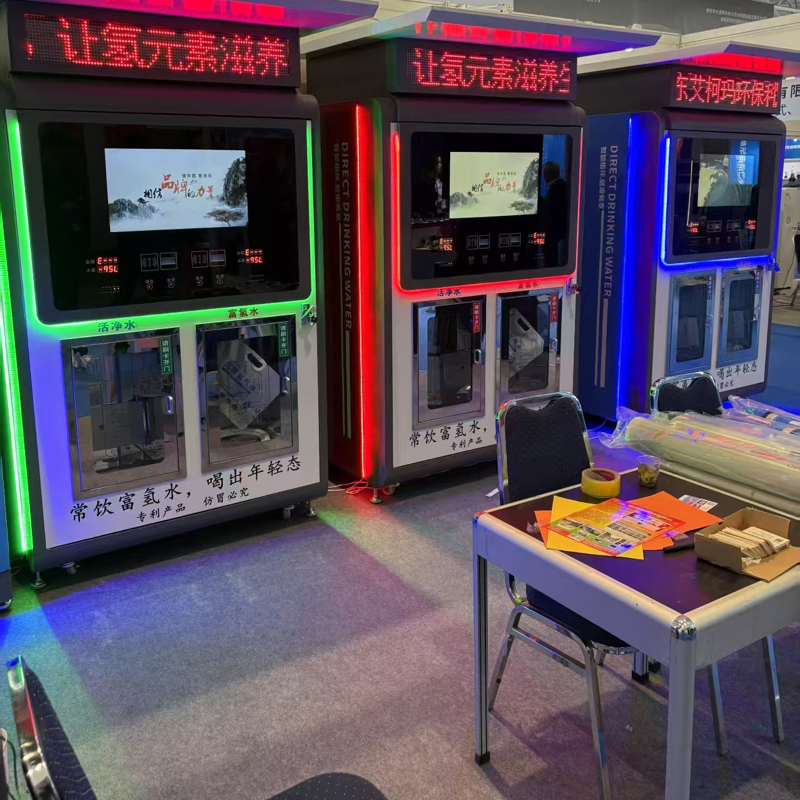
Driven by growing interest in water quality and drinking water options, MUQI Technology has developed a concept-stage community hydrogen water station using 3D hydrogen production technology. This article describes the proposed system architecture and module functions.
Core Technology: 3D Hydrogen Production
PEM Electrolysis + Nano-Bubble Dissolution
The proposed system utilizes PEM (Proton Exchange Membrane) water electrolysis technology to generate hydrogen gas, combined with high-pressure turbine nano-bubble dissolution for hydrogen dispersion in water. These are concept-stage specifications; independent performance testing results are not available at this time.
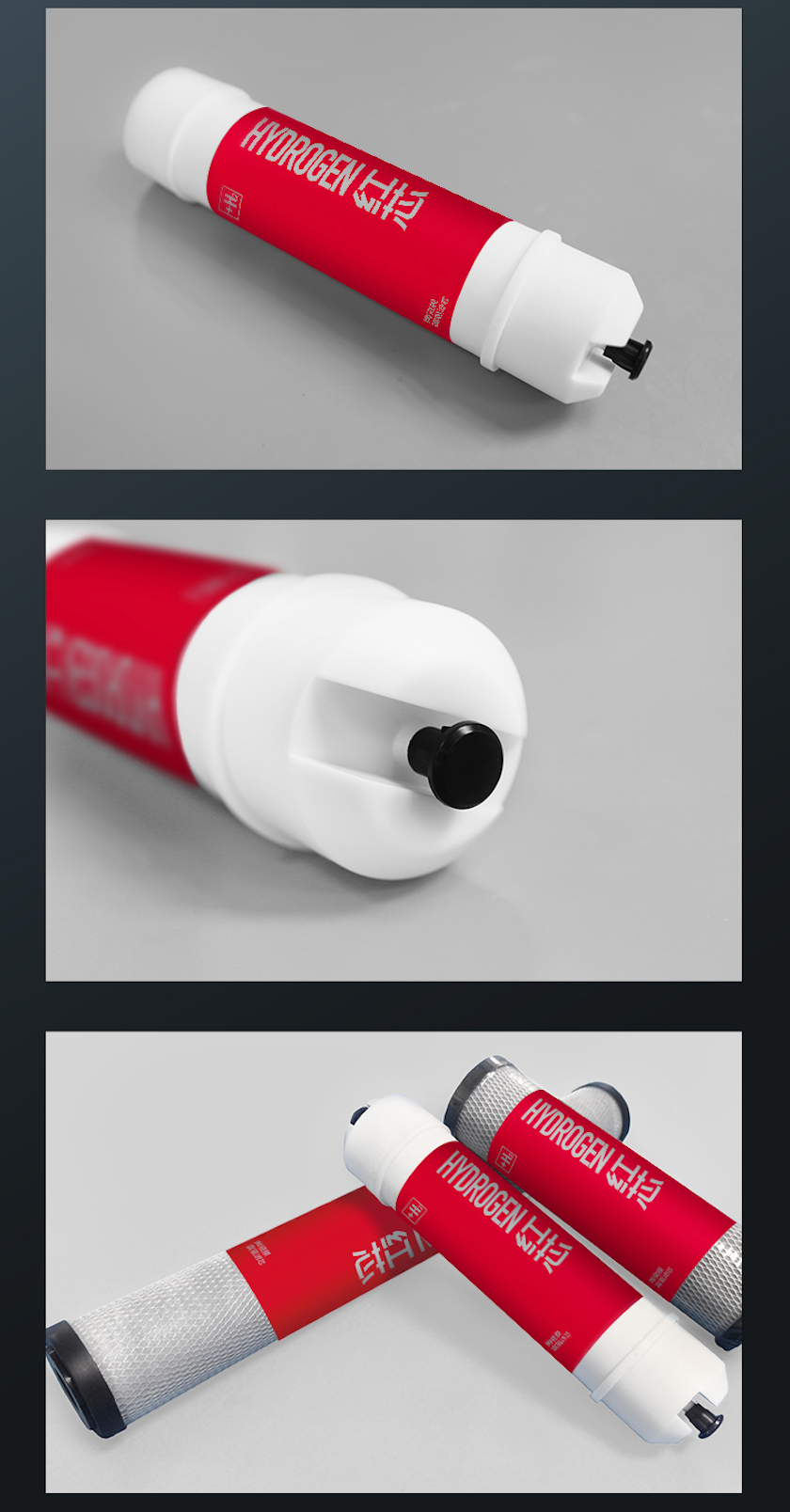
Patented Mineral Ceramic Hydrogen-Lock Core
The proposed mineral ceramic membrane hydrogen-lock core is described in concept documentation as a stabilization mechanism for dissolved hydrogen. The hydrogen water characteristics referenced — weak alkalinity, small molecule cluster structure, trace minerals, dissolved oxygen, and taste profile — are based on internal concept-stage descriptions, not independent lab testing. Actual water quality characteristics will depend on source water and operating conditions.
Community Hydrogen Ecosystem Concept
The concept documentation describes an ecosystem beyond water dispensing, integrating products, services, and data. These are proposed features in concept-stage planning:
- Smart Monitoring — Proposed real-time tracking of hydrogen concentration, water quality, and consumption data
- Subscription Model — Proposed flexible membership plans for households and communities
- Health Data Integration — Proposed compatibility with wearable health devices for personalized recommendations
- Maintenance Automation — Proposed remote diagnostics and predictive maintenance scheduling
Key Differentiators
- Hydrogen Water Concept — Beyond standard filtration, the station concept positions hydrogen-enriched water as a product category; health or antioxidant claims are not established
- Community Scale — Designed for shared use in residential complexes, offices, and public spaces
- Low Operating Cost — Mineral ceramic cores last 6–12 months with minimal maintenance (concept-stage estimate)
- Revenue Model — Proposed built-in payment system for business operations
FAQ
How does the hydrogen-locking core work?
The proposed mineral ceramic membrane is described in concept documentation as a micro-porous structure intended to stabilize dissolved hydrogen concentration after dispensing. Actual performance has not been independently verified.
What is the hydrogen concentration?
Concept documentation references hydrogen concentration targets above 800ppb. These are design-stage specifications; independent measurement results for the specific station model are not available at this time. Hydrogen concentration in practice depends on water temperature, pressure, and operating conditions.
Is the station suitable for commercial deployment?
The station concept is designed for community and commercial use with proposed built-in payment processing, usage analytics, and remote management capabilities. Commercial deployment readiness depends on final product validation.
Interested in Community Water Stations?
Distributor partnership · Custom deployment · Technical consultation
Contact Us →Related Topics
System descriptions and specifications on this page are based on concept-stage documentation. Independent verification of hydrogen concentration, water quality, and health claims is recommended. This article does not constitute a medical or therapeutic claim.
Ad Space · 广告位
Google AdSense — Replace with your ad code